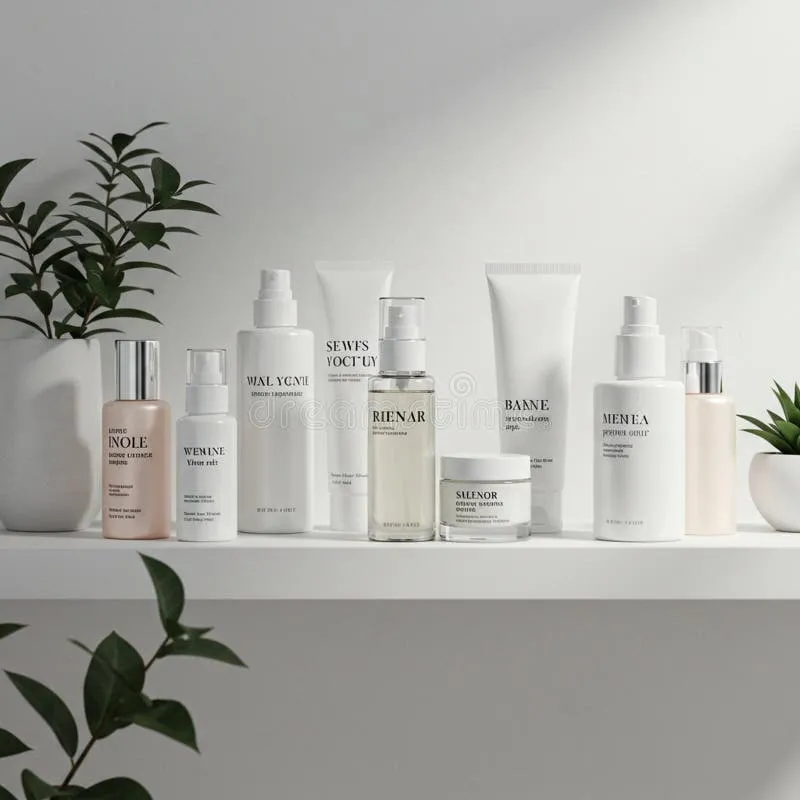
Permission to Rest: Against the Tyranny of the Perpetual Glow

Photo: Elements Of This World, CC BY 2.0, via Wikimedia Commons
A decade ago, the beauty industry sold us coverage. Then it sold us contour. Now it sells us light itself—'lit from within,' 'glass skin,' 'glow' as a permanent condition rather than a passing mood. And like every standard before it, this one arrived quietly, became mandatory quietly, and left a new generation of women staring into mirrors wondering why their faces look tired when all they've done is be human.
How Radiance Became a Requirement
The original promise was benign, even lovely: healthy skin reflects light, so skin that reflects light must be healthy. But marketing rarely leaves a metaphor alone. 'Lit from within' migrated from describing a complexion to describing an obligation. Highlighter moved from the cheekbone to the entire face. Matte—a finish worn without shame for a century—was rebranded as a flaw to be corrected.
The result is a peculiar inversion. Women who once feared shine now fear its absence. A face at rest, producing exactly the oil and texture it was designed to produce, reads as a problem to be solved before leaving the house. We have manufactured a new insecurity and packaged the remedy in dropper bottles.
The Honest-Light Problem
Here is the uncomfortable part: most of us do not live in golden hour. We live in fluorescent offices, overcast parking lots, and the unforgiving glare of the grocery store at 9 p.m. In that light, a face engineered for glow can look greasy where it was meant to look dewy, textured where it was meant to look luminous. The standard was set in conditions most of us never occupy.
Skin that simply looks like skin—pores visible, tone uneven in places, finish neither matte nor molten—is not a failure state. It is the default state. It is what faces do when they are not performing.
What We Are Actually Arguing For
Let the record be clear: this is not a brief for neglect. Skincare that supports the skin barrier, protects against sun, and treats what genuinely bothers you is worth every minute. The objection is to the glow as performance—the sense that a face must broadcast vitality at all times or forfeit the room.
Consider the alternative. A complexion allowed to be at rest. A finish chosen for the day you're having, not the day the algorithm is having. Some days that might mean luminizer. Some days it might mean nothing at all, and the nothing should be permitted without commentary.
Rest Is Also Radiance
There is a reason we associate light with health and not the reverse. Health produces light when it produces it at all—after sleep, after joy, after a good week. It cannot be summoned on demand, and pretending otherwise taxes the very wellbeing we claim to be chasing.
So this is a defense of the bare face, offered without apology: the skin that looks like skin, in honest light, is not behind. It is simply off duty. Even light needs a source. And sources, to keep shining, are allowed to rest.