The Twelve-Month Vow: How the Bridal Glow Became a Second Dress
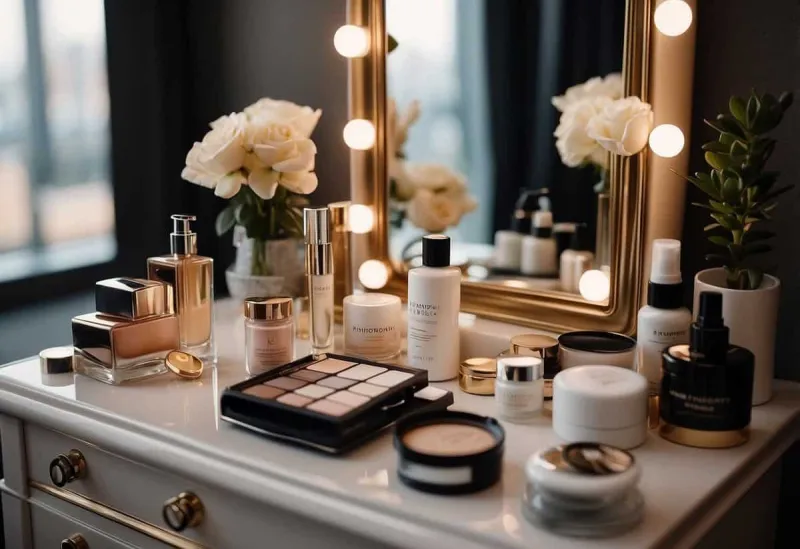
Photo: bride skincare routine vanity mirror soft morning light elegant, via omghitched.com
There was a time when bridal beauty began with a single appointment: a facial the week before the wedding, booked in the same breath as the manicure. That era is over. Across the country, from Scottsdale med spas to Manhattan dermatology practices on East 72nd Street, brides are now signing on twelve, fifteen, even eighteen months before they walk down the aisle — not for the dress, not for the venue, but for their skin.
Dermatologists have a name for it, spoken half-jokingly in consult rooms: the complexion contract. The bride commits to a timeline. The practice commits to a result. And in between stretches a season of peels, resurfacing sessions, and carefully sequenced 'facial stacking' that has quietly become one of the fastest-growing segments of the American skincare economy.
The Year Out: Where the Timeline Begins
The logic of starting early is, dermatologists insist, not vanity but physiology. Skin turns over on its own clock — roughly every twenty-eight days in youth, slower as we age — and meaningful change, particularly from professional treatments, compounds across those cycles rather than arriving in one.
A bride who walks in eighteen months out is playing a different game than one who books in June for a September wedding. The early patient can afford the treatments that require recovery: fractional laser resurfacing, deeper chemical peels, microneedling series that leave the complexion flushed and flaking for days. Attempted too close to the date, these same procedures risk the one outcome no bridal timeline can absorb — a bride healing instead of glowing on the morning of.
So the calendar gets mapped like a wedding budget. Lasers and aggressive resurfacing in the first six months, when there is room for error. Peels migrating from medium depth to gentle in the final quarter. Injectable adjustments, if any, made months ahead so that any swelling, bruising, or regret has time to settle — or be corrected.
Facial Stacking and the New Protocol
The phrase you'll hear in consult rooms from Los Angeles to Charleston is 'facial stacking' — the deliberate layering of complementary treatments in a single session or a tight sequence. A light peel to lift dull surface cells, followed by a hydrating or oxygen facial to calm and plump, perhaps finished with LED therapy to quiet inflammation. Each layer is chosen for the next.
The approach borrows, knowingly or not, from the layering logic of modern skincare itself: actives that support rather than fight each other, applied in an order that maximizes what each can do. In the bridal context, it becomes choreography. Six months out, the stack might include a series of gentle peels spaced a month apart. Three months out, the emphasis shifts to barrier support — hydration, calming treatments, a strict ceasefire on anything aggressive.
And then there is the final month, which resembles a de-escalation. No new products. No experimental treatments. No first-time facials with an unfamiliar aesthetician. Dermatologists describe brides arriving with a 'wedding week panic purchase' — a retinol bought on a whim, a peel pad from an influencer's link — and the advice is always the same: the last thirty days are for preservation, not ambition.
The Glow as Line Item
What has changed culturally is not the desire for a luminous wedding-day complexion — that wish is as old as the wedding photograph. What has changed is the willingness to pay for it as infrastructure rather than indulgence.
The average American wedding now costs tens of thousands of dollars, and the pre-wedding beauty budget has grown into a recognized category within it. Brides speak of their treatment plans the way they speak of their florists and their photographers: researched, budgeted, booked in advance. Med spas market bridal packages by the season. Dermatology practices keep waitlists specifically for wedding consults, some requiring that initial appointment a full year out simply to secure the runway.
Whether this constitutes empowerment or expense is the question editors and estheticians alike have begun to ask. There is a reasonable critique: that the bridal glow, once a happy accident of happiness itself, has been converted into a deliverable, a second wedding dress sewn from appointments rather than silk. A bride who wanted simply to look like herself may find, scrolling bridal skincare timelines on social media, that she has been handed a syllabus instead.
What the Light Actually Needs
Yet strip away the upselling and the underlying advice is almost austere. Ask any dermatologist what produces the wedding-day complexion that photographs beautifully, and the answer is rarely the laser. It is consistency: daily sunscreen worn without exception, a retinoid introduced early and tolerated patiently, a barrier kept hydrated, sleep guarded, inflammation quieted. The professional treatments accelerate a process that the daily ritual sustains.
In other words, the glow brides are chasing is not purchased in a single session eighteen months out. It is accumulated — cycle by cycle of renewal, week by week of care — which is, perhaps, the only honest promise in the entire industry.
There is something fitting in that. A wedding is, at its heart, a commitment made in advance of the day itself, proven in the months that follow. The complexion contract asks the same of the bride: not a dramatic intervention on the eve, but a steady keeping of the promise, made in ordinary mornings, long before anyone is watching. The aisle is simply where the light finally shows the work.